
Why Marketers Are Switching to Free AI Video Tools
Video content has become the cornerstone of successful marketing strategies, with studies showing that audiences engage with video at rates far exceeding any other format. Yet for years, marketers have struggled with significant obstacles: production costs that drain budgets, complex software requiring specialized training, and workflows that turn a simple promotional clip into a week-long project. The emergence of free AI video makers has fundamentally changed this landscape, offering sophisticated capabilities without the traditional barriers. These tools are enabling marketing teams of all sizes to produce professional-quality videos in minutes rather than days, transforming how brands communicate with their audiences. How exactly are these AI-powered platforms empowering marketers to overcome their most pressing content challenges? This shift toward accessible AI video creation represents more than just a new technology—it's a fundamental reimagining of what's possible when creativity meets artificial intelligence, allowing marketers to focus on strategy and messaging while automation handles the technical heavy lifting.
The Marketing Revolution: From Costly Production to Instant AI Video Creation
Not long ago, creating a marketing video meant assembling a small army of specialists—videographers, editors, scriptwriters—and allocating thousands of dollars per project. A single 60-second promotional clip could consume weeks of back-and-forth revisions and require software licenses costing hundreds monthly. This reality forced many small and mid-sized marketing teams to either stretch budgets dangerously thin or abandon video altogether, ceding ground to competitors with deeper pockets. The arrival of ai video maker free has shattered this paradigm entirely. These platforms leverage machine learning to automate editing, generate visuals from simple text prompts, and assemble professional-grade videos without requiring users to understand frame rates or color grading. What once demanded technical expertise now happens through intuitive interfaces where marketers describe their vision and watch it materialize within minutes. This democratization means a solo content marketer can now produce the same volume and quality of video content as entire production departments managed just five years ago. Beyond the practical savings, there's profound strategic relief—marketing teams can finally experiment freely, test multiple video variations for campaigns, and respond to trending topics in real-time rather than watching opportunities pass while waiting for production schedules to clear. The emotional shift is equally significant: creativity is no longer constrained by budget anxiety or technical limitations, allowing marketers to focus on what truly matters—crafting messages that resonate with their audiences.
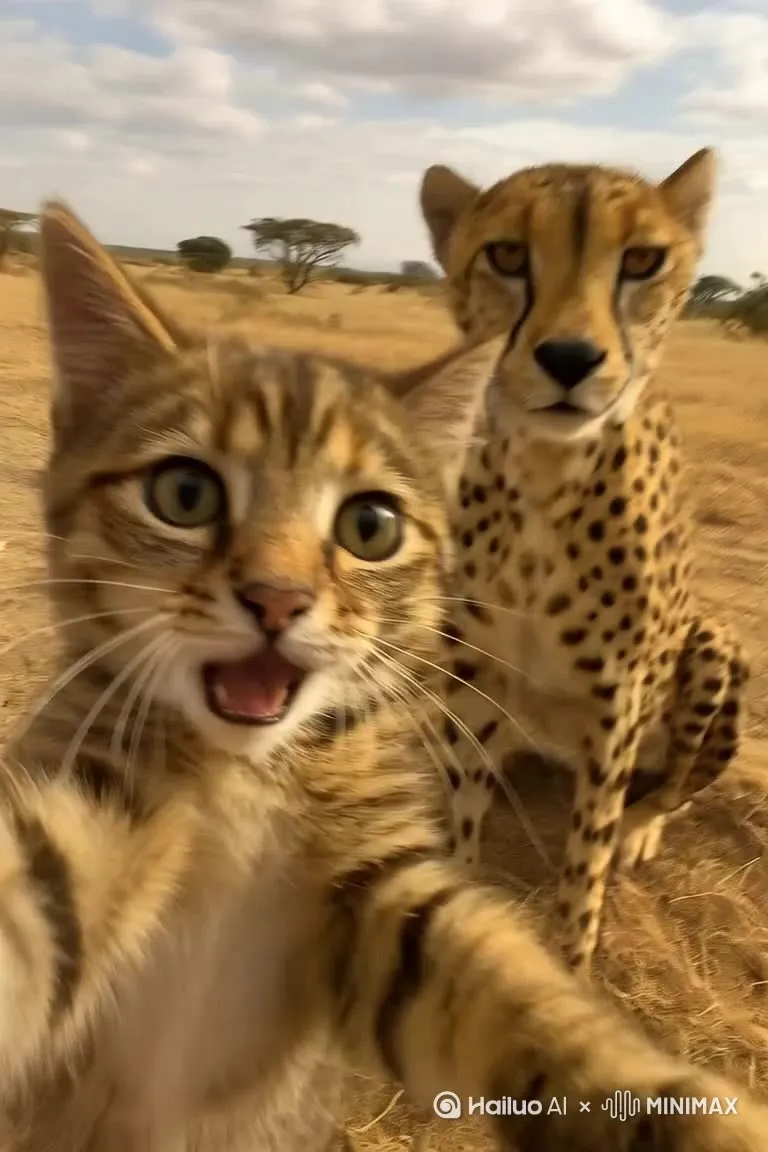
Core Capabilities of a Free AI Video Maker
Transform Ideas into Visuals: Mastering Text to Video
The text to video capability addresses one of marketing's most persistent bottlenecks: translating written content into visual formats. Marketers can simply paste a product description, customer testimonial, or excerpt from a high-performing blog post into the platform, and the AI interprets the text to generate corresponding video scenes complete with relevant imagery, transitions, and pacing. This functionality proves invaluable for content repurposing strategies—a single whitepaper can spawn dozens of social media videos, each highlighting different key points. The speed is transformative: what traditionally required storyboarding sessions and asset searches now happens in minutes, enabling rapid prototyping where marketers can test multiple messaging angles before committing to a campaign direction. For teams managing content calendars across multiple channels, this means maintaining consistent video presence without proportionally increasing workload.
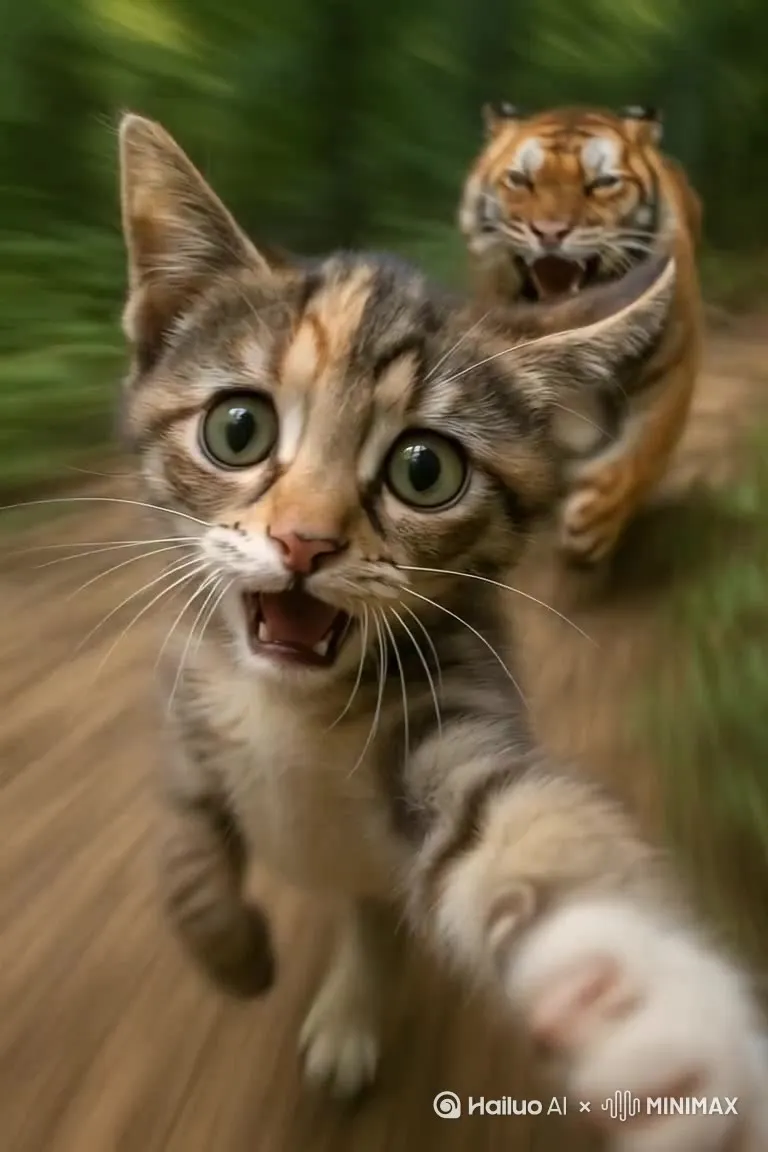
Beyond Text: The Power of Image to Video AI
Image to video AI technology breathes life into static assets that already exist in marketing libraries. Product photographers' work, infographic designs, and brand logos can be transformed into dynamic video content through automated animation techniques. The AI applies motion effects—zooms, pans, subtle parallax movements—that create visual interest without requiring animation skills. This proves especially powerful for social media advertising where movement captures attention in crowded feeds, and for email marketing where embedded video thumbnails dramatically improve click-through rates. A product launch can leverage existing photography shoots, turning each angle and feature shot into short, engaging clips optimized for different platforms, maximizing return on initial photography investments while maintaining visual consistency across all marketing touchpoints.
Exploring Advanced Features: A Look at HailuoAI Features
Modern free AI video makers like HailuoAI demonstrate how sophisticated these platforms have become, offering capabilities that rival premium software. Their free tiers include access to diverse AI avatars that can deliver scripted messages, eliminating the need for on-camera talent or voiceover recording sessions. Extensive template libraries provide professionally designed starting points for common marketing scenarios—product announcements, testimonial compilations, educational explainers—that marketers customize rather than build from scratch. Multi-language voiceover options expand global reach without translation service costs, while brand customization features ensure every output aligns with corporate identity guidelines. These advanced features collectively mean that "free" no longer equates to "basic"—marketing teams access genuinely powerful creative tools that would have cost thousands in licensing fees just years ago, leveling the competitive playing field regardless of company size.
Solving Marketer Problems: A Step-by-Step Guide to AI Video Creation
Step 1: Streamlining Your Content Creation Process
Begin by auditing your existing content assets to identify high-performing pieces ripe for video adaptation. Blog posts with strong engagement metrics, email campaigns with high open rates, and product descriptions that drive conversions all contain proven messaging that translates effectively to video format. Select one piece and extract the core message—typically three to five key points that can each become a distinct video scene. Open your free AI video maker and navigate to the text to video function, then paste your selected content directly into the input field. The AI will analyze the text structure and generate a preliminary video with relevant visuals, transitions, and timing. Review this first draft to ensure the pacing matches your brand voice—most platforms allow quick adjustments to scene duration and visual selection. This workflow integrates seamlessly into existing content calendars: schedule one hour weekly for repurposing written content into video, creating a consistent pipeline that transforms every blog post into multiple social media clips, email embeds, and website assets. The efficiency gain is substantial—a single article can yield five to ten video variations targeting different audience segments or platforms, multiplying your content reach without proportionally increasing production time.
Step 2: Creating Visually Appealing Marketing Materials on a Budget
Start by exploring the template library within your chosen AI video maker, filtering by campaign type—product launch, customer testimonial, educational content, or promotional announcement. Select a template that aligns with your objective and note its structure: most follow proven engagement patterns with attention-grabbing opening frames, clear middle messaging, and strong closing calls-to-action. Customize the template by uploading your brand assets—logo files, product photography, and any existing graphics from previous campaigns. Use the image to video AI feature to animate static product shots: apply subtle zoom effects to highlight features, or create before-and-after sequences for service demonstrations. Replace template placeholder text with your specific messaging, keeping copy concise since video viewers process information quickly. Access the platform's stock media library to supplement your own assets—most free tiers include thousands of royalty-free clips and images that maintain professional quality. Apply your brand color palette to backgrounds, text overlays, and transition effects, ensuring visual consistency with your website and other marketing materials. For social media ads specifically, create multiple aspect ratio versions—square for Instagram feed, vertical for Stories, and horizontal for YouTube—all from the same base project, maximizing asset efficiency across platforms.
Step 3: Optimizing Your AI-Generated Video for Impact
Once the AI generates your initial video, watch it completely without interruption to assess overall flow and message clarity from a viewer's perspective. Check that the visual pacing matches the urgency or tone of your campaign—product launches might benefit from faster cuts and dynamic transitions, while educational content often requires longer scene durations for comprehension. Review auto-generated captions for accuracy, correcting any terminology specific to your industry that the AI might have misinterpreted. Add your logo as a watermark in a consistent corner position, and include a clear call-to-action in the final three seconds—whether that's a website URL, discount code, or social media handle. Test the video's effectiveness by showing it to colleagues unfamiliar with the project: if they can summarize the main message and desired action within five seconds of viewing, your optimization succeeded. Before publishing, export versions optimized for each intended platform—Instagram prefers videos under sixty seconds with captions for sound-off viewing, while YouTube allows longer formats with more detailed information. Consider A/B testing different thumbnail images and opening hooks by creating slight variations of the same video, then tracking engagement metrics to refine your approach for future projects. This optimization step typically requires fifteen to twenty minutes but dramatically improves campaign performance, ensuring your efficiently-created content delivers maximum marketing impact.
Why Free AI Video Tools Are a Strategic Win for Marketing Teams
The financial impact alone justifies the switch to free AI video makers—teams that previously allocated thousands monthly to production costs now redirect those budgets toward distribution, advertising spend, or additional creative experiments. But the strategic advantages extend far beyond immediate savings. Marketing agility has become paramount in environments where trends emerge and fade within days; AI video creation enables teams to capitalize on viral moments, respond to competitor moves, and test campaign variations at speeds impossible with traditional production timelines. A social media manager can now produce a topical video responding to breaking industry news within an hour, capturing audience attention while the conversation remains active. This responsiveness translates directly to competitive advantage, particularly for brands competing against larger organizations with established production resources. The creative benefits prove equally transformative—when production constraints disappear, marketing teams experiment more freely, testing unconventional messaging approaches and visual styles without fear of wasted investment. This experimentation culture leads to breakthrough campaigns that wouldn't survive traditional approval processes focused on minimizing production risk. Perhaps most significantly, consistent video output becomes achievable regardless of team size. A two-person marketing department can maintain the same content frequency as a twenty-person team, publishing regular video updates, product showcases, and educational content that builds audience engagement over time. The democratization of AI video creation fundamentally redefines what's possible for marketing teams, transforming video from a resource-intensive special project into a standard component of everyday marketing operations that drives measurable business results.
The Future of Marketing Through AI Video Creation
The shift to free AI video makers represents a defining moment for modern marketing, fundamentally altering who can create compelling video content and how quickly they can do it. These tools have dismantled the traditional barriers of cost, technical complexity, and time investment that once limited video marketing to well-funded teams with specialized expertise. By leveraging capabilities like text to video conversion and image to video AI, marketers now transform existing content assets into engaging visual formats within minutes, maintaining consistent output across all channels without proportional budget increases. The practical workflow outlined—from content repurposing through template customization to final optimization—demonstrates that professional-quality video production has become accessible to any marketer willing to embrace these AI-powered platforms. As artificial intelligence continues evolving, the gap between creative vision and technical execution will only narrow further, empowering marketing teams to focus on strategy, storytelling, and audience connection rather than production logistics. The question is no longer whether your team can afford to create video content, but whether you can afford not to explore the free AI video creation tools already reshaping competitive marketing landscapes. Start experimenting today with a single piece of existing content, and discover how quickly AI video creation can transform your marketing effectiveness.